|
PRE-PRODUCTION JOURNAL
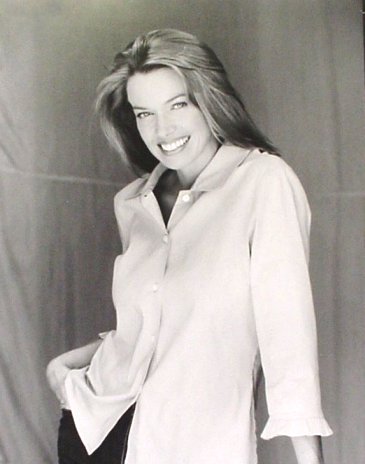
Kelley Saunders CAROL 1/31/01 In some respects Carol is one of the most important characters in EvenHand. The opening scene features her, a woman who has been in a car accident, and the same scene is reprised three quarters of the way through the story. It's a point in time that reflects a particular emotional state for Francis (one of our two featured police officers), and it serves as an entry point for the audience. We jump into the story in the middle and then backtrack, finding out how Francis got there. Both because it's an important scene and the very first one, I was particularly determined to find someone good to play Carol. Kelley Saunders came in on the first day and auditioned for the role of Lisa Mather, the wife of the bad guy. She was excellent and I immediately asked her to also read for Carol. Carol is a slightly bigger role than Lisa, and far more pivotal in the telling of the story. Happily, Kelley especially excelled in her impromptu portrayal of Carol, so she got the part. This leads me to part two of this journal entry: The Things I Have Learned About Auditions. Auditions are cruel and unfair by nature. Actors are given script pages for a scene or two (or the whole script, if they're lucky) and with little or no input from the director, they're expected to interpret a character in a 10 minute performance. Actors, like everyone else, have colds and bad days and other things on their mind. And the whole process could not have been designed better to intimidate the performer, with the director sitting inscrutably behind the desk, peering at the monitor and declaring everything "good" and dismissing the actor after one or two attempts at the scene. But, if auditions were nothing but awful, we wouldn't have them; there must be some good that comes from the process, as loathsome as it is. Just so. For example, the conversation that surrounds the performance is almost as important as the performance itself, for it reveals the depth of understanding of the actor (and the director). It also serves to raise the level of intimacy of the occasion, making it subtly more of a collaboration or expression of consensus than a naked performance. And anything the director can do to put the actor at ease is a good thing. But most importantly, I believe it is possible to tell from an audition who is right for the role; which is not to say that I expect anyone to nail a character on the first try. But, there will always be someone who comes pretty close to capturing the essence of a character in that short scene. Another part of the process is judging not just the caliber of the specific interpretation, but also whether the actor fits into the "palette" of the film (see The Crack House for more on that subject). Also important is how the actors will work together and look together. Given the criteria that goes beyond pure performance, the "best" actor may not always be the right actor. I guess the bottom line is that it's a subjective process and all the actor can do to influence the outcome is give their most honest and natural performance. Then it's up to the director to make a decision based on the information at hand. To see the actors that have been cast so far, please visit the Cast Page. -
Joseph Pierson
Next: FIDENCIO CONSTANTINO Copyright © 2001 Cypress Films, Inc. All rights reserved. |